Table Of Content

And of course when they're 15, they will want to dye it green and purple and shave it into a faux hawk. We consult and analyze information from reliable authorities in their respective fields to support our research and writing. These include peer-reviewed journals, government and advocacy organizations, and academic sources. We aim to inform and educate readers and provide them with up-to-date, factual information. For more details about our content standards, please review our editorial policy. If the cause is a fungal infection, your doctor might prescribe an anti-fungal ointment.
Moms Share Home Remedies for Pregnancy Morning Sickness
"He looked just like Elvis – he even had sideburns," she says. After birth, all of a baby's hair stays in the resting phase until more resources become available. Hair usually starts to shed at 8 to 12 weeks of age, and begins to grow back at around 3 to 7 months.
ABOUT BABYCENTER
In some babies, hair regrowth happens about the same time hair falls out, so you may not notice a difference. In others, the hairs fall out quickly, leaving your child cue-ball bald. CCCA and LPP fall under the umbrella of lymphocytic scarring alopecia. The telltale signs of these conditions are chronic inflammation of the scalp and the scarring of hair follicles, which can result in irreversible hair loss, Agbai notes. Alopecia areata is an autoimmune condition that is characterized by “round patches of hair loss on the scalp,” although it can occur elsewhere on the body, Agbai says. While the exact reason for this type of hair loss is unknown, it is generally understood that “the immune system mistakenly attacks hair follicles, leading to hair loss,” she adds.
Foam Shampoo For Newborns
Using a baby shampoo or an anti-dandruff shampoo would be fine; wash the baby’s scalp daily. Also, parents who don’t feel comfortable with frequent washing the baby’s scalp can apply an antifungal cream. Ringworm is another medical condition that can lead to hair loss in babies. This fungal infection often starts as a scaly patch on babies’ skin that gets itchy and leads to hair loss on the affected areas. It is very contagious, and the risk of babies contracting this infection increases with poor hygiene. Thus, it is common in some households that share combs, hats, pillows, and clothes.
_Understanding the Implications of a Negative Pregnancy Test
If you notice a bald spot, try to adjust how your baby is lying. Most of the time, these are caused by the area being rubbed against something. While the hair is in the resting phase, it will stay put in the follicle. As the new hair starts to grow, it will push out the old, resulting in a few lost strands. All of that said, if you have concerns about your baby’s skin, or it seems that their cradle cap may be getting infected, don’t hesitate to contact your pediatrician.
Ashley Graham reveals hairline is growing back after postpartum hair loss - The Independent
Ashley Graham reveals hairline is growing back after postpartum hair loss.
Posted: Thu, 04 Aug 2022 07:00:00 GMT [source]
For babies with eczema-prone skin, go with Stelatopia Foam Shampoo, which is part of our Eczema Care line and is made to soothe, moisturize, protect, and strengthen your baby’s skin. Plus, this baby shampoo is designed to minimize cradle cap flakes. This fragrance-free shampoo is made of 99% naturally-derived ingredients and, like all Mustela products, is free of parabens, phthalates, and phenoxyethanol. She has published multiple research papers on pediatrics and is interested in topics like Neonatal care, skincare, baby growth, vaccination, growth, and development. Either way, there are several reasons why this hair loss happens.
Most babies have almost none when they’re first born, and the tiny tresses that emerge in those early weeks and months could very well shed between 2 and 3 months. The hair falls out and the new, mature hair hasn’t yet come in. Find out what causes hair loss in babies, what to do about your baby's hair loss, and how to support hair growth in your newborn.

As babies grow, you might notice that their hair starts looking thinner. You might find some strands of hair on their pillows, bathwater, and hairbrush. Although you may not notice a bald patch, it is worrisome for babies to lose their hair. The most common form of this condition is referred to as Neonatal Occipital Alopecia (NOA). Always use a mild baby shampoo when you wash your baby’s hair. Never rub the hair; just gently lather the shampoo and rinse front to back.
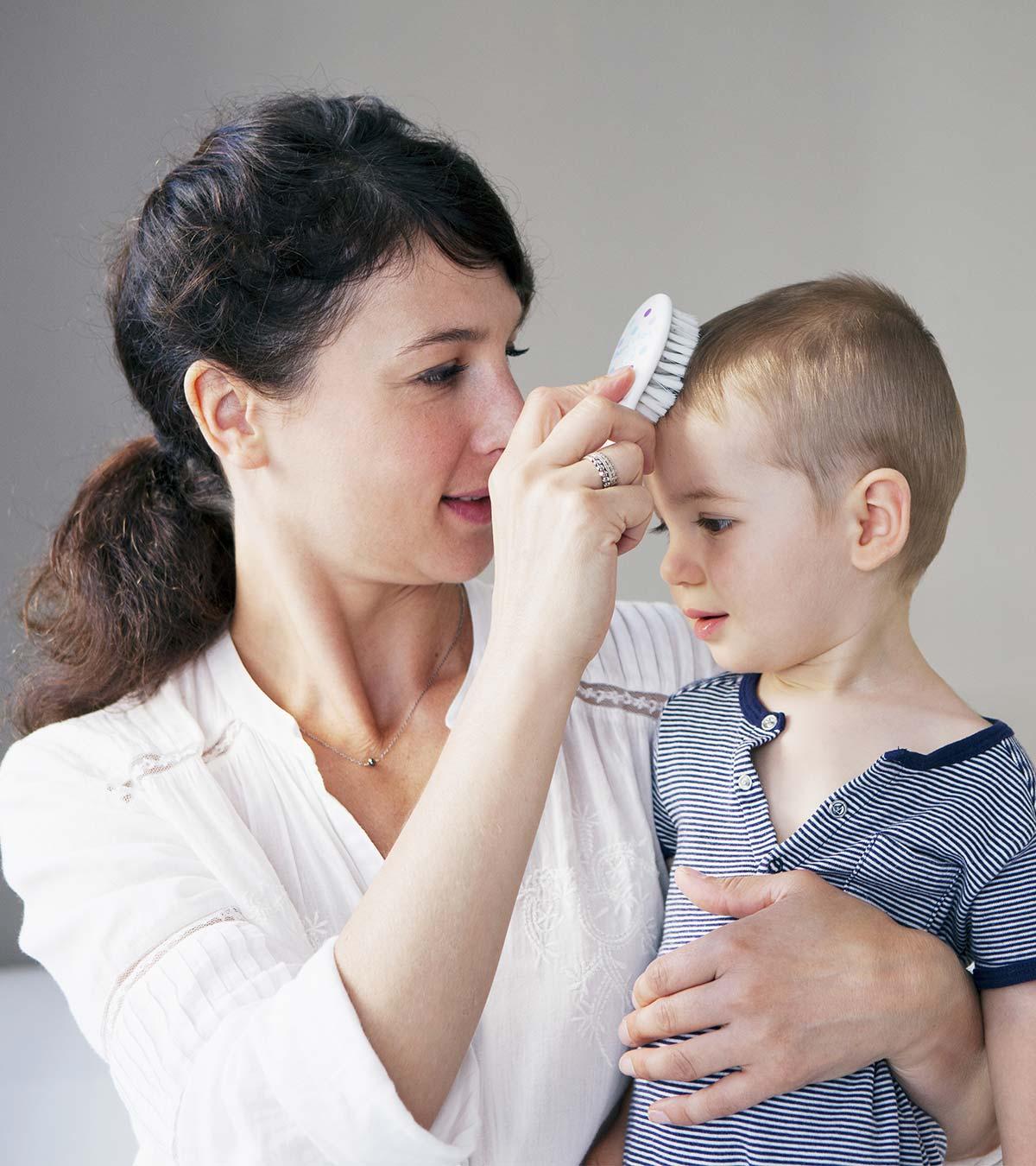
If you are treating cradle cap, be careful not to pick at the scales (no matter how tempting it may be!) as this can lead to infection. Newborn hair loss is common, so don’t be alarmed if you see some shedding in the crib during the first 6 months of your baby’s life. It’s also possible you won’t notice this change, as, sometimes, hair loss and growth happen simultaneously. There are a few different reasons why your newborn is likely to shed a lot of hair in the first few months of life. Some hair-loss triggers for babies include hormonal changes, friction from the way they sleep, and common infant skin issues, like cradle cap. Infant hair loss is not only common, it's a normal phase of early physical development.
Some babies will lose significantly more in a short period, but even that shouldn’t ring alarm bells just yet. Keep an eye on your baby for any other changes, and don’t hesitate to call your pediatrician if in doubt. Just like plants need the right nutrients to flourish, so does your baby’s hair. A well-balanced diet is key to maintaining those adorable locks.
Please, make sure you wash off all oils applied at bath time to avoid worsening the condition. Its official name is “seborrheic dermatitis” and it causes small red flaky patches of skin on the scalp, which can also cause hair loss or hair weakness in the flaky areas. Newborns arrive chock full of all the same pregnancy hormones that have been sustaining you for the last few months.
While the hue, texture, and appearance may change over time, it is worth noting that the actual hair follicles on your little one’s head will remain unchanged. On an adult's head, each strand of hair goes through a phase when it's growing and when it's not — and when hair isn't growing, it can also shed. At any given time, only a small percentage of your hair is in this latter stage, and only about 50 to 100 strands are lost per day. If there's ever a concern about your baby's health, including hair growth, you should discuss it with their healthcare provider. Some childhood conditions may contribute to hair loss as your baby grows older.
Listen to your instincts and know that baby’s luscious locks will likely grow in soon. Your little munchkin must have had a luscious head of hair at birth but have they started to fall out recently? According to the American Academy of Paediatrics (AAP), baby hair loss is completely normal in the first few months of newborn life. Several factors are behind alopecia in babies from sleeping positions to hormonal changes.
If baby was born sans hair, it’ll likely start to grow soon. In fact, hair follicles begin to develop in the womb at 14 weeks gestation, and newborns are born with all the hair follicles they’ll have and need throughout their lifetime, says Scott. If you notice abnormal patterns like bald patches or poor growth by their first birthday, it’s time to consult a pediatrician. Remember, every baby’s hair growth journey is unique, like a fingerprint.


No comments:
Post a Comment