Table Of Content
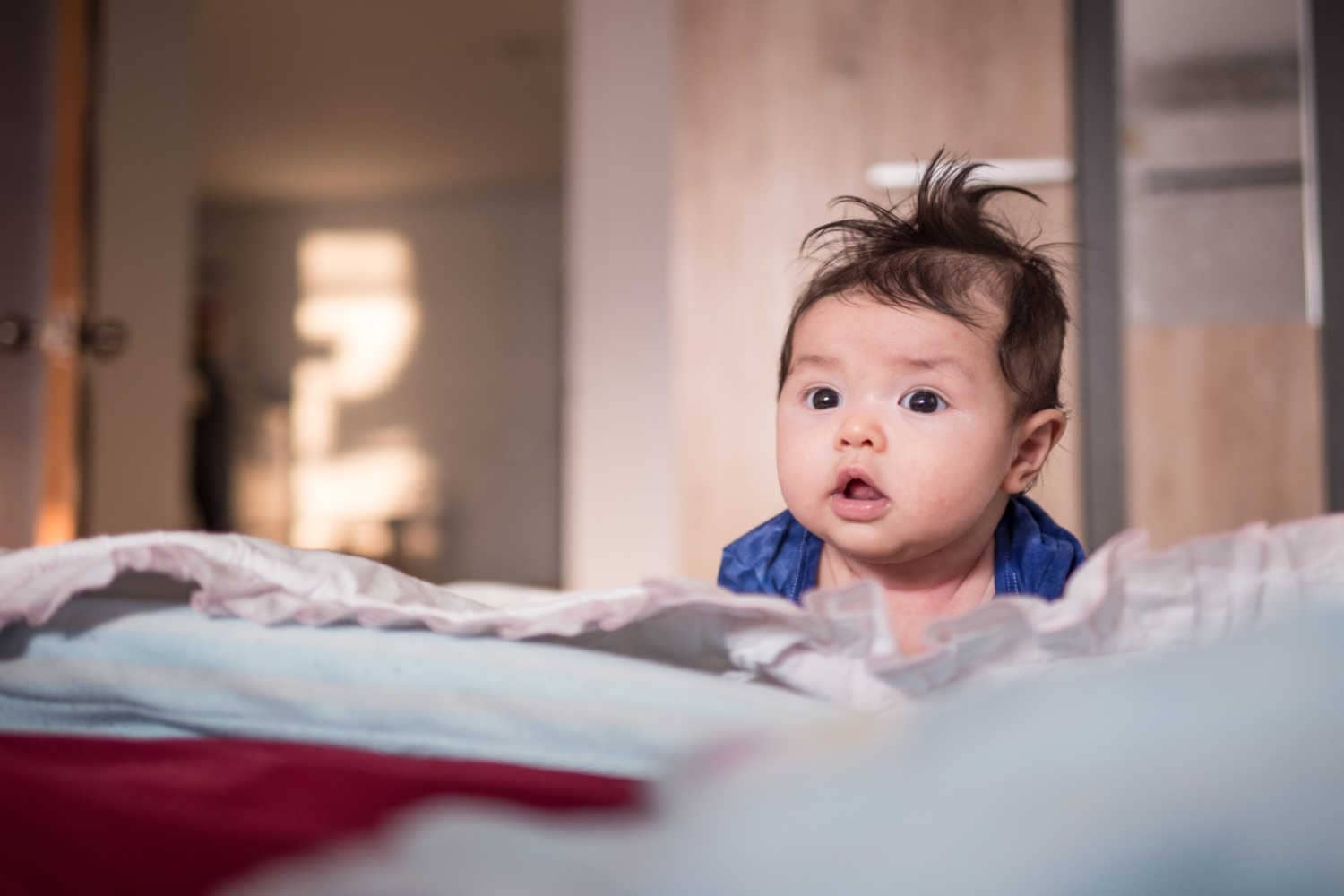
However, this hair loss occurs regularly amongst newborn babies, and it is not abnormal for babies to start losing their hair. You might be confused, as you can’t seem to fathom what causes the hair loss and the solution to this problem. Well, this article would provide you with proper answers to all your questions.
Baby Hair Loss: Why Do Newborns Lose Hair? Facts, Causes, Treatments, and More!
Your baby is born with all the hair follicles they’ll ever have. A hair follicle is part of the skin from which hair strands grow. Babies typically lose hair in the first months of life due to various reasons, including friction from laying on a crib mattress. There are several reasons why you might be losing your hair. According to Agbai, genetics, hormonal shifts, stress, underlying medical conditions, nutritional deficiencies, and scalp inflammation are notable factors. Losing your hair can be a distressing experience, but you’re not alone.
How can you stop your baby's hair from falling out?
The content provided on Baby-Chick.com is for informational purposes only and is not intended to be a substitute for professional medical advice, diagnosis, or treatment. Always seek the advice of your physician or other qualified health provider with any questions you may have regarding a medical condition. By accessing and using this site, you acknowledge and agree to be bound by our Terms of Use. You might want to snip off a lock of your baby’s hair as a keepsake. Before you know it, their tresses might look completely different.
The Top Baby Names of 2024
The reason most adults immediately jump to the worst conclusion is because sudden hair loss (telogen effluvium) later on in life is usually a symptom of a larger problem. Some babies respond well to using oil (olive oil for example) to gently massage and loosen up the flaky skin. If the cradle cap expands past the scalp, your doctor may recommend a medicate shampoo. The exact causes of this condition are still not entirely known. The best guess is that the pregnancy hormones are affecting the baby’s oil glands, making their skin secrete more than usual. Styling of baby’s hair is standard practice, and they often make babies look cute.
However full or sparse your newborn's hair is, you might notice it falling out or getting thinner in the weeks after you bring them home. This shedding may come as a surprise (and even a bummer if you'd begun to envision fun hairstyles). Thanks to the umbilical cord, the same hormones that were pulsing through your body during pregnancy and giving you that supermodel head of hair were pulsing through your baby’s, too. But after birth, those hormones drop, triggering hair loss in your baby — and even yourself.
Some babies lose just a little bit of hair while others shed nearly every strand. Your baby may lose hair faster than others, making the shedding more noticeable. There's little cause for concern when it comes to any hair loss within the first 6 months of life. This is a skin condition that leads to patchy bald spots on the head. Alopecia areata is caused by a defect in the immune system that causes it to attack and destroy healthy hair cells.
Why Do Newborn Babies Startle? The Moro Reflex
But it's not until around 2 years of age that thicker hair emerges. The first weeks and months of a baby's life are full of big changes. But what new parents may not have expected are the tiny hairs left on their newborn's mattress. After a few months, their baby's once-full head of hair has become thin and patchy — or nearly bald. Baldness is often hereditary, and is activated by a shift in your hormones. Both situations are normal, and the hair will come back in the weeks and months to follow.
According to the American Academy of Dermatology, it’s completely normal to shed anywhere between 50 to 100 strands of hair per day. However, if you’ve noticed more strands falling out of your head than normal, you may be experiencing alopecia, the medical term for hair loss. Common diagnoses include androgenetic alopecia, alopecia areata, telogen effluvium, and lymphocytic scarring alopecia, Agbai tells USA TODAY.
Why Do Babies Lose Their Hair? Experts Explain - Romper
Why Do Babies Lose Their Hair? Experts Explain.
Posted: Fri, 06 Nov 2020 08:00:00 GMT [source]

Ringworm (also called tinea capitas) isn’t caused by worms but by a variety of fungi. It may cause hair loss and often a red, scaly, ring-like rash is seen on the scalp. Most mild cases of cradle cap resolve on their own in a few weeks, though it can persist for as long as a few months (and still be totally normal and harmless).
Never pick at the scales, even if it looks like they are about to fall off — just leave them. Picking can irritate the skin, making it red and causing inflammation (4). We offer flat rate FedEx SmartPost shipping on all orders for $5.95 for the contiguous United States. Please note shipments to Hawaii and Alaska will be shipped via UPS Ground.
There is a huge range of ‘normal’ when it comes to baby hair. Some babies are born with a full head of hair and then lose much of it in the first six months (though some never do). It is also normal to lose more hair on the back of the head and to keep this bald spot longer.
Cradle cap, also known as seborrheic dermatitis, can occur in babies between 2 weeks and 12 months of age. It can look like scaly red or crusty yellow patches around the scalp. It typically clears up on its own but can cause some babies to lose hair in a short period. According to the American Academy of Pediatrics (AAP), most babies lose some — or even all — of their hair in the first few months of life. Being gentle with your hair while it’s experiencing change is important so as not to exacerbate any thinning. It goes without saying that excessive heat and chemical treatments aren’t a good idea, but try and opt for protective hairstyles too.
While it might bother you, trust that it does not irritate your baby and is best left alone. Your child’s pediatrician may also recommend a medicated shampoo that’s safe for your baby. A pathogen can cause hair loss on the scalp, and using such a shampoo is the best way to eliminate the infection. The follicles will slow production down, making hair grow exceptionally slowly. The condition is most common in older children but can affect babies. Are you starting to find small strands of precious baby hair here and there?
Interestingly, whether or not your newborn’s hair falls out, it may soon look different. So your dark-haired newborn might start showing lighter locks, or those sweet curls might eventually straighten. But whether an infant is born with a layer of fuzz or a thick mop, all lose at least some hair. In fact, hair loss simply means an infant is making the huge adjustment to life outside the womb. The infant hair loss phase tends to end by the time a child is 6 months old. Typically you will see their hair start to grow back in the months that follow.
Let’s zoom in and try to get to the root of the hair loss problem. It’s very common for a baby’s hair to change in color, thickness, and style as they grow through the first year or two of life. Sometimes, these changes continue all the way through childhood and even adolescence.


No comments:
Post a Comment